About us
The House of Darjeeling story
One family recipe, carried down from a hill-town kitchen — and a modern food-safety standard we refuse to bend.
From Chowrasta to your table
HOD Momos began as a two-burner stall near Chowrasta, where Pema's grandmother steamed momos for porters and tea pluckers before the mist lifted. The dough was rolled thin enough to see the filling through, the broth simmered with roasted sesame and tomato, and nothing was ever kept overnight.
Three generations on, the recipe hasn't moved. What changed is the kitchen around it: stainless steel surfaces, calibrated steamers, temperature logs and a food-safety lead who can stop a batch at any moment.
"Legendary and authentic" isn't a tagline for us — it's the promise that a momo you eat today tastes exactly like the one that made someone climb the hill for it in 1978.
Hygiene & process
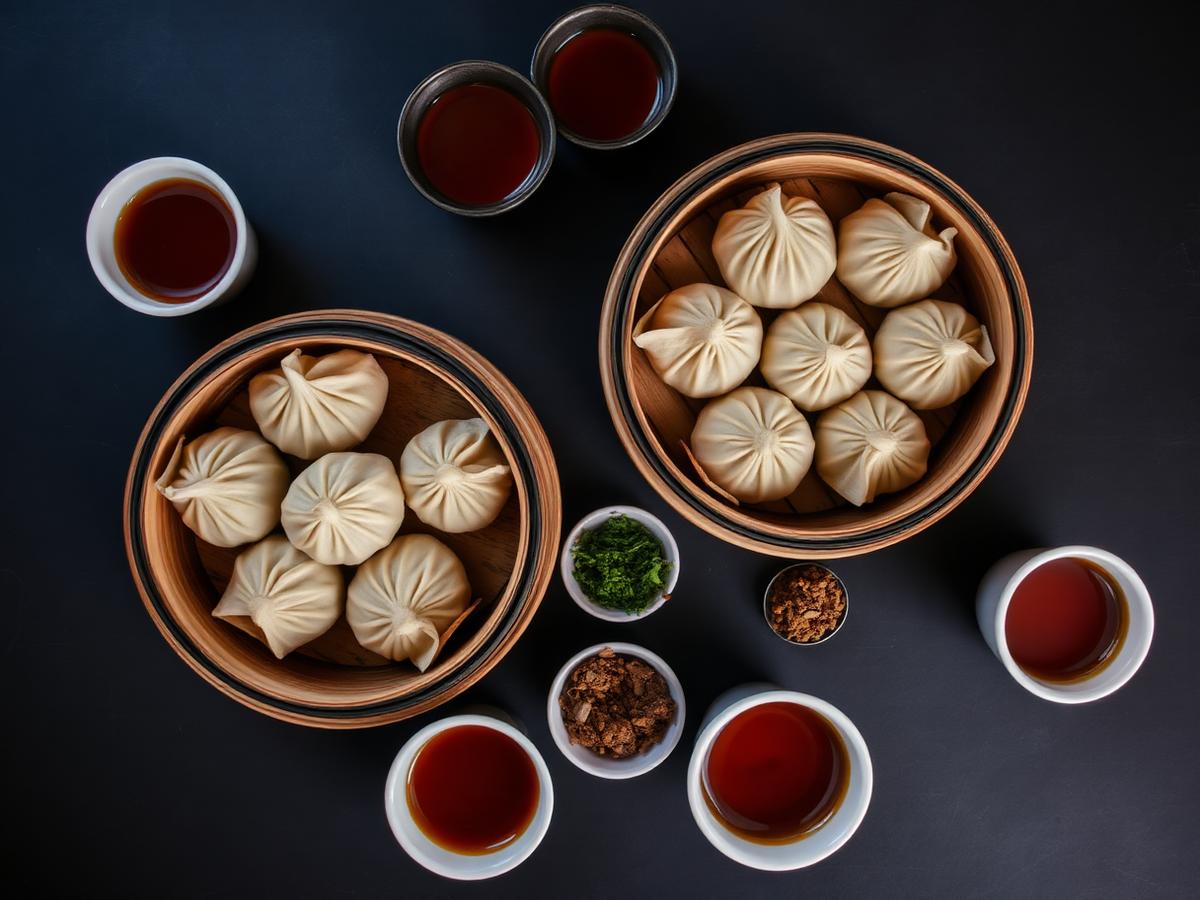
Six steps, every single day
Sourcing
Chicken and pork from licensed cold-chain suppliers; vegetables from the Darjeeling morning market, washed in potable running water.
Cold prep
Colour-coded boards and separate knives for veg and non-veg. Fillings held below 4°C until folding.
Hand pleating
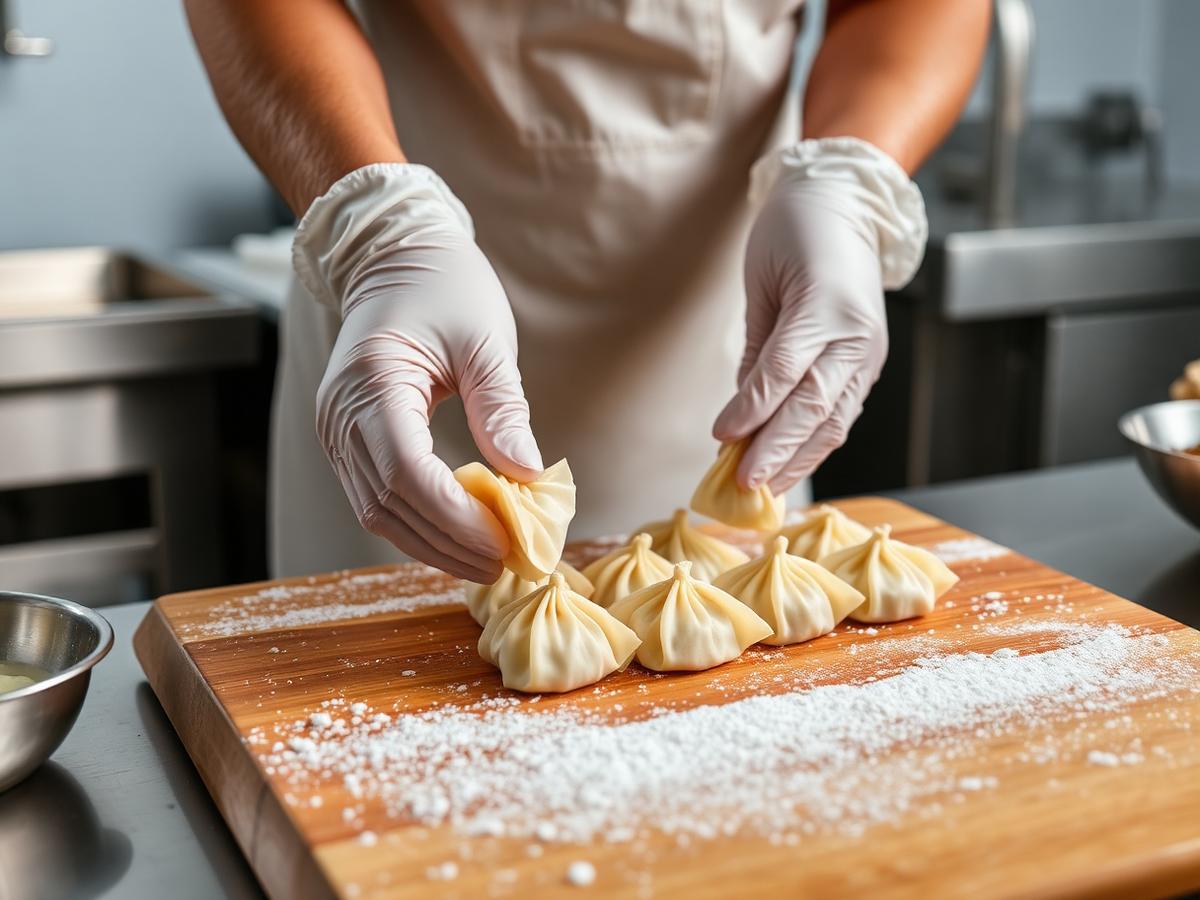
Gloved, hair-netted folders pleat every dumpling. Batches are dated and never carried into the next day.
Steam & serve
Steamed to a 75°C core temperature, logged per batch, and served within twenty minutes.
Sanitation
Surfaces sanitised hourly, deep clean at close, and a signed daily checklist kept for inspection.
Traceability
FSSAI-compliant kitchen with batch records, supplier invoices and staff health checks on file.
Founder story
From a Chowrasta stall to a global table
The storyboard of how one family recipe became the reason travellers from around the world come back to Darjeeling.
The first fold
Pema Lhamu Sherpa's grandmother sets up a two-burner stall near Chowrasta, Darjeeling. Porters and tea pluckers line up before sunrise for the first steamer of the morning.
A recipe passed down
Pema learns the exact ratio of sesame, tomato, ginger and garlic from her mother. The dough is rolled thin enough to see the filling through — a test every batch still passes.
House of Darjeeling is born
HOD Momos opens its first permanent kitchen, keeping the family recipe but adding commercial food-safety standards: temperature logs, cold-chain sourcing, and staff health checks.
A world of regulars
Travellers from Kathmandu to London now make the climb to Chowrasta Lane for one plate. The kitchen is still run by people from the hills, and every momo is still folded by hand.
Why House of Darjeeling
Considered the best momos in the hills — and beyond
The original recipe
The same spice ratio, dough thickness and pleat style that made a hill-town stall famous in 1978.
Documented hygiene
Gloved prep, colour-coded boards, 75°C core temperatures, daily sanitation logs and FSSAI compliance.
Fresh, never frozen
Dough and fillings are made the same morning. Batches are dated and never carried into the next day.
Hills-trained crew
Most of the kitchen team comes from Darjeeling and Sikkim — they grew up with the food, not just the training manual.
The team
The people behind the pleats
A small crew, most of them from the hills, all of them trained on the same standard.
Pema Lhamu Sherpa
Founder & Head of Recipes
Grew up folding momos in her grandmother's Chowrasta kitchen; guards the spice ratio like a family heirloom.
Tenzing Bhutia
Head Chef
Fifteen years across Gangtok and Kolkata kitchens. Owns the broth, the chutneys and the char on the tandoori momo.
Anjali Rai
Food Safety Lead
Certified food-safety supervisor. Runs the temperature logs, audits and the daily sanitation sign-off.
Karma Dorjee
Kitchen & Service Manager
Keeps the steamers rolling and the queue moving on a Saturday night without a single cold basket.
Customer reviews
Reviews from across the world
Why travellers from Kathmandu to Tokyo say HOD Momos is the best momo they have eaten outside the Himalayas.
“I grew up eating momos in Kathmandu, and HOD Momos is the only place outside the hills that gets the pleat count right. The chicken classic tastes like home.”
Prajwal Sharma
Kathmandu, Nepal
Darjeeling Chicken Classic
“The jhol momo broth is unreal. Smoky, tangy, and properly spicy. I came back three times in one week.”
Sarah Mitchell
London, UK
Jhol Momo (Chicken)
“As a chef, I notice the details — the glove protocol, the colour-coded boards, the logged temperatures. This is how momos should be made.”
Marcus Chen
Singapore
Hill Pork & Chive
“We took the Chowrasta Platter on a rainy Darjeeling evening and it was perfect. The tea, the steam, the chutney — everything.”
Ananya Iyer
Mumbai, India
The Chowrasta Platter
“I had never tried tandoori momos before. The char, the marinade, the mint dip — now I crave them from 9,000 km away.”
Diego Fernández
Mexico City, Mexico
Tandoori Chicken Momo
“Clean kitchen, friendly crew, and the veg highlander actually has flavour. Rare for a vegetarian momo plate.”
Yuki Tanaka
Tokyo, Japan
Veg Highlander
“The paneer malai is the softest, creamiest dumpling I have ever had. My kids refuse to eat momos anywhere else now.”
Priya Nair
Dubai, UAE
Paneer Malai
“I came for the view, stayed for the momos. The kothey has that perfect crisp bottom — exactly the texture I was hunting for.”
Hans Müller
Berlin, Germany
Chicken Kothey